Highlights:
- The “stress-free” way that this couple manages their money in retirement
- How they protect their money from market ups and downs
- Avoid the common retirement mistake of being forced to sell during a downturn
Help other retirees by sharing how you manage your money in retirement.
Click here and fill out this quick form. Your tips could be shared anonymously in an upcoming article!
Martha and Jack retired with a plan to never stress about money.
They’d been investing diligently for 30 years so they have a solid nest egg.
After going through many market ups and downs, they wanted to live without worrying about what their investments were doing.
Below, Martha shares how they create stability in retirement.

How Martha and Jack cover their retirement living expenses
Here’s their story*:
“We pull $300,000 out of our investments every few years.
We keep it easily accessible in a high-interest savings account.
Since we spend about 75,000 a year on living expenses, this gets us through 4 years without needing to touch or rely on investments.
We also get dividends, but it gives us peace of mind knowing that even if they get cut it’s ok since we don’t live on them.
Unless we want our dividend income for something in particular - like a big cruise - we typically reinvest them since we don’t need the money.

By having our living expenses taken care of, we rest easy knowing it doesn’t matter what the market is doing.
It also gives us the opportunity to be smart about pulling out our next cash withdrawal.
When the market is high, we often sell and top up our living expense float - even years earlier than planned.
This way we have years of runway ahead of us, and we have a buffer in case of a market crash.
Our goal is to make our day-to-day lives less stressful since we don’t have to worry about money, and prevent needing to sell when the market is down.”
Click here to share your tips for managing money in retirement!
The strategy behind this approach
Martha and Jack are doing a variation of something called the bucket strategy for retirement.
In the classic version, your money is split into 3 buckets.

These buckets generally look like:
🪣 Bucket 1: Short-term – Cash or high-interest savings to cover 1–3 years of expenses
🪣 Bucket 2: Medium-term – Bonds or GICs for the next 3–7 years
🪣 Bucket 3: Long-term – Stocks for growth over 7+ years
You spend from the first bucket and refill it from the others when markets are strong. The goal is to avoid selling long-term investments in a downturn.
What to like about this strategy:
- Protects against market crashes
- Provides peace of mind
- Gives flexibility to time withdrawals
- Reduces the need to monitor markets daily
It’s especially helpful early in retirement, when taking big losses can derail a portfolio.

Should you consider it?
If you’re feeling anxious about market volatility during retirement, the bucket strategy could help.
Just a bit of planning makes sure you have money in the short and long term.
Because when it comes to investing in retirement, the goal usually isn’t the highest return: it’s about preserving your wealth and sleeping well at night.
Make it easier with Passiv
Martha reinvests her dividends unless she needs the cash, and Passiv makes it effortless.
With Passiv, you can automatically reinvest your dividends based on your target portfolio.
It connects to your brokerage, keeps your investments balanced, and shows you exactly what to buy when new cash or dividends hit your account.
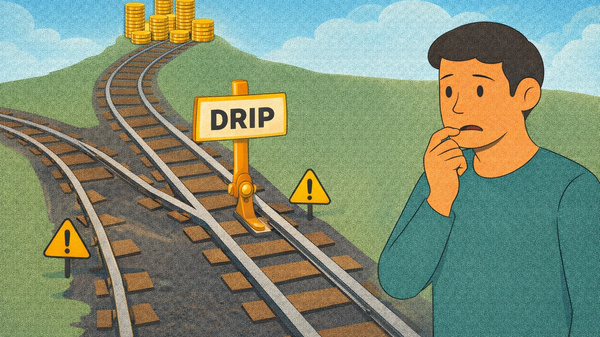
Unlike DRIP, which automatically reinvests dividends into the same stock or fund, Passiv reinvests dividends strategically across your entire portfolio so everything stays balanced.
Try Passiv free today and make dividend reinvesting a breeze!
Check out Passiv!
*The information shared in the story reflects the experience of these individuals. It’s not advice - just something to learn from and consider for yourself.